
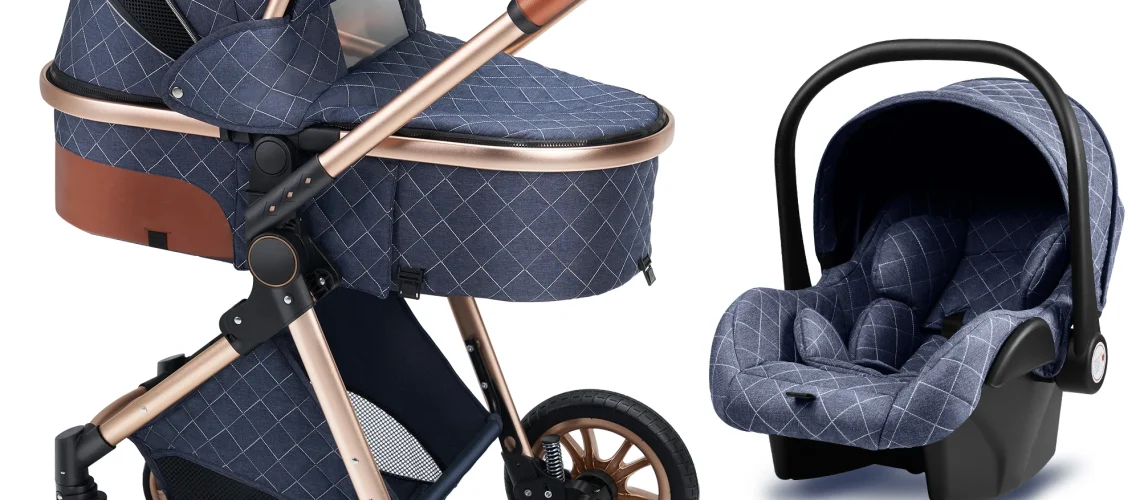
Becoming a parent comes with a long list of decisions, and one of the most overwhelming can be choosing baby gear. From strollers and carriers to diaper bags and travel accessories, the options are endless. What often gets lost in the process is a simple but critical question: does
this gear actually fit your lifestyle? The best baby gear is not always the most expensive or the most popular. It is the gear that supports your daily routines, adapts to your needs, and makes life with a baby smoother rather than more complicated.
This article focuses on practical, everyday tips to help you choose baby gear that aligns with how you live, move, and care for your child. Whether you are constantly on the go or mostly at home, thoughtful choices can save time, money, and stress in the long run.
Understanding Your Daily Rhythm
Before looking at any product, take time to observe your own routine. Think about how your days usually unfold. Are you walking a lot, driving frequently, or using public transportation? Do you live in a small space or a larger home? Do you travel often or stay close to home most days?
Baby gear should work with your natural rhythm, not force you to change it. For example, parents who walk frequently may benefit from lightweight, easy-to-maneuver strollers, while those who rely heavily on a car may prioritize compact designs that fit easily into a trunk. If you spend most of your time at home, bulky travel-focused gear may be unnecessary, while multi-use items that support feeding, resting, and play may be more valuable.
Choosing Gear That Grows With Your Baby
One of the smartest approaches to baby gear is choosing items that adapt as your child grows. Babies change quickly, and gear that only serves one short stage may feel outdated faster than expected. Adjustable and convertible products often provide better long-term value.
Look for items with adjustable settings, removable inserts, or modular designs. Carriers that support multiple carrying positions, high chairs that adjust for different ages, and strollers that convert for multiple children can all reduce the need for frequent replacements. This approach not only saves money but also reduces clutter and decision fatigue.
Prioritizing Ease of Use Over Features
It is easy to be drawn in by long feature lists, but more features do not always mean better usability. In fact, overly complex gear can become frustrating in everyday situations. When evaluating baby gear, consider how intuitive it is to use during busy or stressful moments.
Ask yourself practical questions. Can you set it up quickly with one hand? Is it easy to clean? Does it fold or store without effort? Gear that is simple to operate often becomes a trusted part of daily life, while complicated items may end up unused.
Ease of use is especially important for on-the-go essentials. When you are juggling bags, a baby, and time constraints, straightforward design matters more than extra bells and whistles.
Balancing Comfort for Baby and Parent
Comfort is often discussed in terms of the baby, but parent comfort is just as important. Gear that causes strain, discomfort, or inconvenience for caregivers can make daily tasks feel harder than they need to be.
When selecting carriers, strollers, or seating products, consider ergonomic design and adjustability. Proper weight distribution, padded support, and flexible adjustments can make a significant difference during extended use. A comfortable parent is better able to stay present and engaged, which benefits both caregiver and child.
At the same time, ensure that baby comfort is not compromised. Soft materials, proper support, and breathable fabrics all contribute to a positive experience for your child.
Considering Your Living Space
Your home environment plays a major role in determining which baby gear makes sense. Large, multi-piece items may work well in spacious homes but feel overwhelming in smaller living areas. Storage space should always be part of the decision-making process.
Look for items that fold flat, stack easily, or serve multiple purposes. A diaper bag that doubles as everyday storage or a play mat that folds into a compact size can make daily life more manageable. Being intentional about space can prevent clutter and help maintain a calm environment.
Thinking Long-Term, Not Just Newborn Needs
New parents often focus heavily on the newborn stage, but babies grow and change quickly. While it is important to meet immediate needs, thinking a few months ahead can help you make more balanced decisions.
Instead of buying gear exclusively designed for newborns, consider items that support multiple stages of development. This might mean choosing a stroller with adjustable seating or a carrier that transitions from infant to toddler use. Planning ahead reduces the need for frequent upgrades and helps you feel more prepared as your baby grows.
Understanding What You Truly Need Versus What Is Optional
Marketing can make it feel like every baby product is essential, but in reality, many items are optional or lifestyle-dependent. Distinguishing between necessities and nice-to-have extras can help you focus on what truly adds value to your routine.
Start with core essentials that support feeding, transportation, sleep, and safety. Once those needs are met, additional items can be evaluated based on personal preference and lifestyle. Avoid buying gear simply because it is trendy or heavily promoted. Thoughtful choices are often more satisfying than impulse purchases.
Reading Reviews With a Critical Eye
Reviews can be helpful, but they should be approached thoughtfully. Different families have different needs, and what works well for one household may not work for another. When reading reviews, pay attention to details that align with your own lifestyle rather than overall ratings alone.
Look for comments about durability, ease of cleaning, storage, and everyday usability. Reviews that describe long-term use or real-life scenarios can be especially informative. At the same time, remember that no product is perfect, and minor drawbacks may not matter if the gear fits your specific needs.
Safety as a Non-Negotiable Priority
No matter how convenient or stylish a product may be, safety should always come first. Choose gear that meets established safety standards and is designed with stability, secure fastenings, and age-appropriate support.
Proper use is just as important as product design. Take time to read instructions, follow guidelines, and regularly inspect gear for wear or damage. Safe gear provides peace of mind and allows you to focus on enjoying time with your child.
Avoiding Overbuying and Embracing Flexibility
One of the most common challenges new parents face is overbuying. It is tempting to prepare for every possible scenario, but this often leads to unused items and clutter. Instead, consider adopting a flexible approach.
Start with a smaller selection of well-chosen gear and adjust as your needs become clearer. As you gain experience, you will better understand what truly supports your lifestyle. This approach allows you to make informed decisions rather than guessing in advance.
Making Sustainability Part of the Decision
For many families, sustainability is becoming an important factor in baby gear choices. Durable products, multi-use designs, and items made with thoughtful materials can reduce waste and extend product life.
Choosing quality over quantity supports both long-term value and environmental responsibility. Gear that lasts through multiple stages or can be reused for future children often proves to be a wise investment.
Final Thoughts
Choosing baby gear that truly fits your lifestyle is about more than checking off a list of items. It is about understanding how you live, anticipating how your needs will evolve, and selecting products that support both you and your child in everyday life.
By focusing on practicality, adaptability, comfort, and safety, you can build a collection of baby gear that feels intentional rather than overwhelming. Thoughtful choices lead to smoother routines, less stress, and more time to focus on what matters most: caring for and connecting with your child.
When baby gear works with your life instead of against it, parenting becomes just a little more manageable, and a lot more enjoyable.